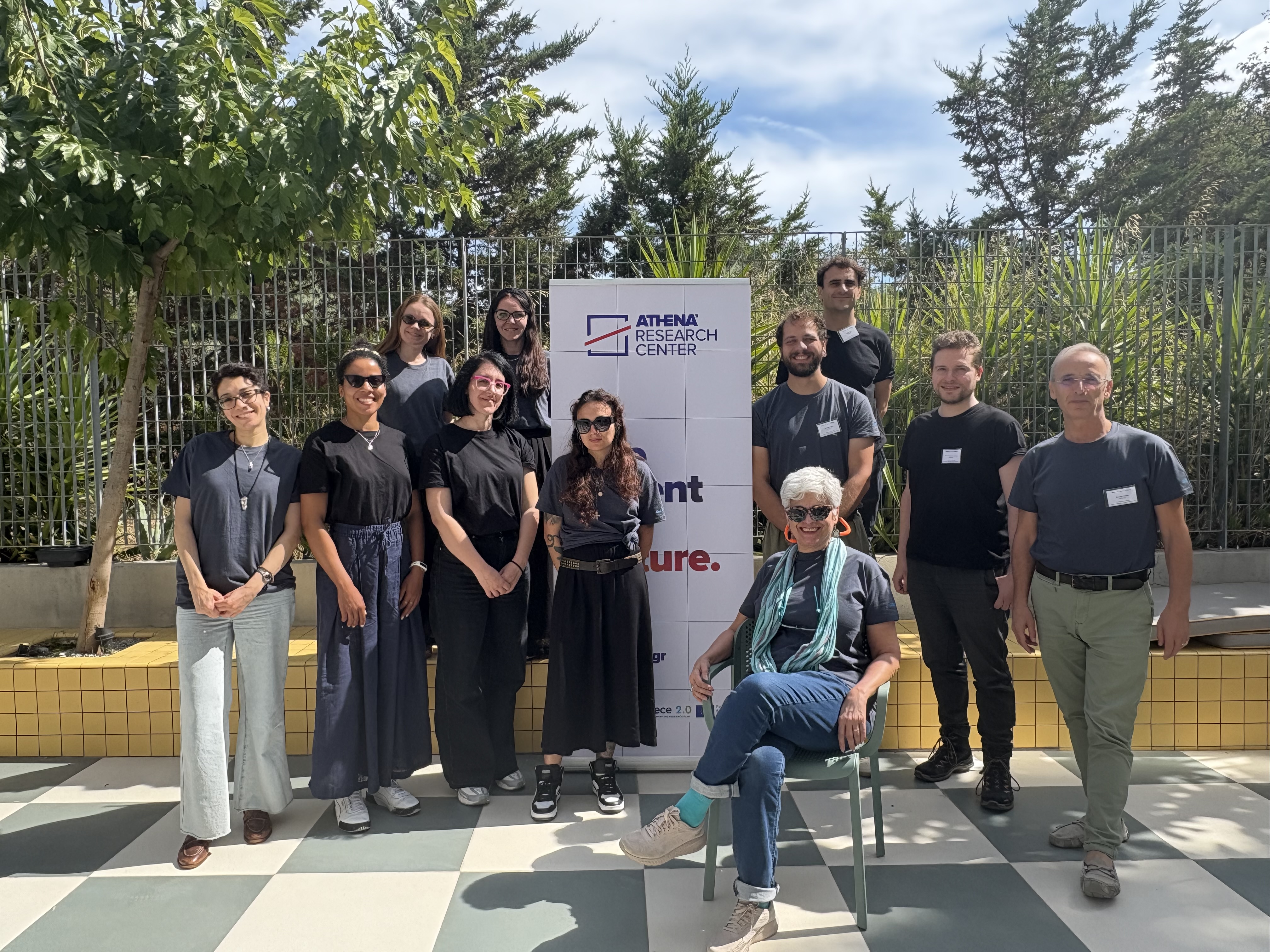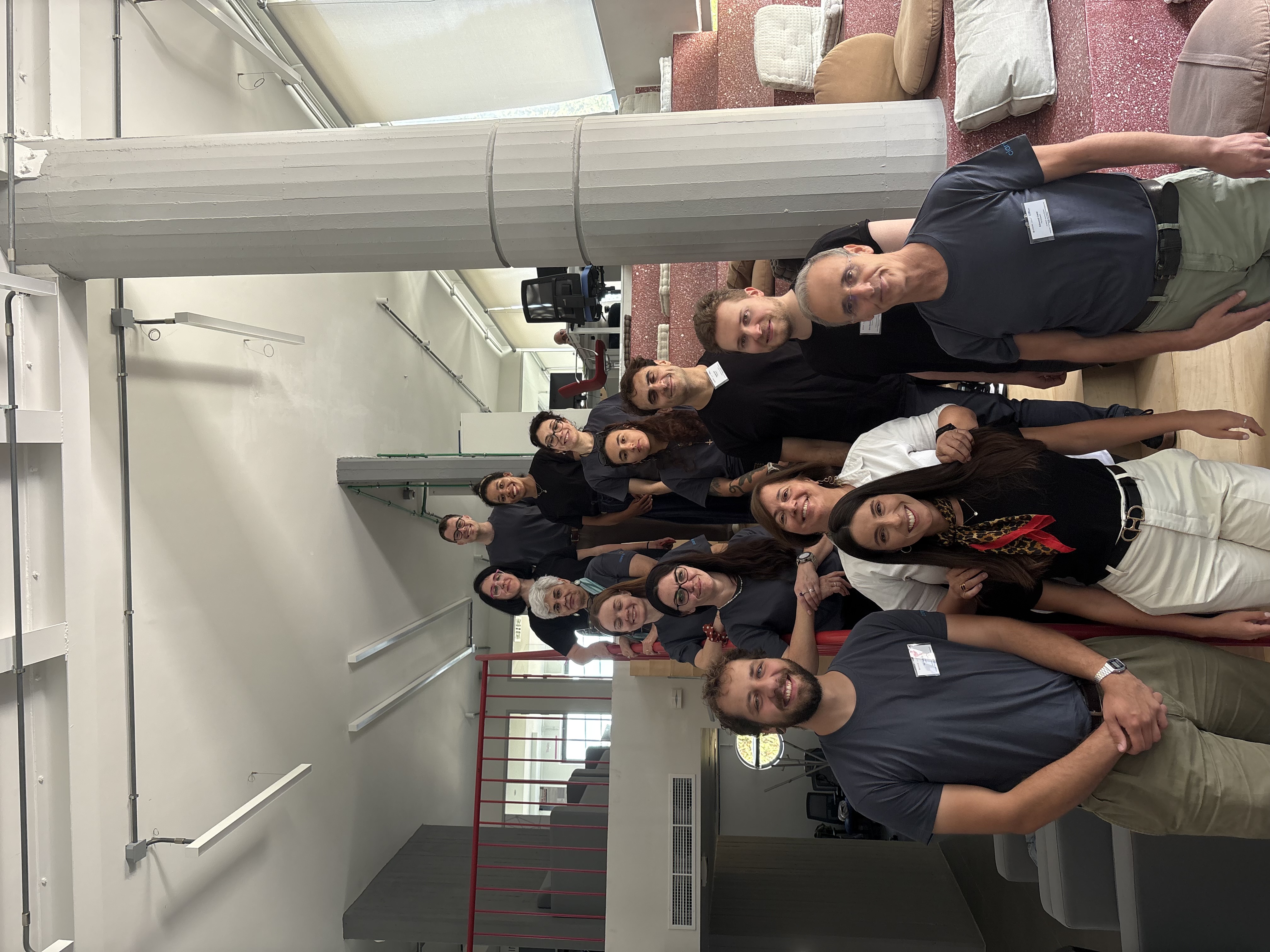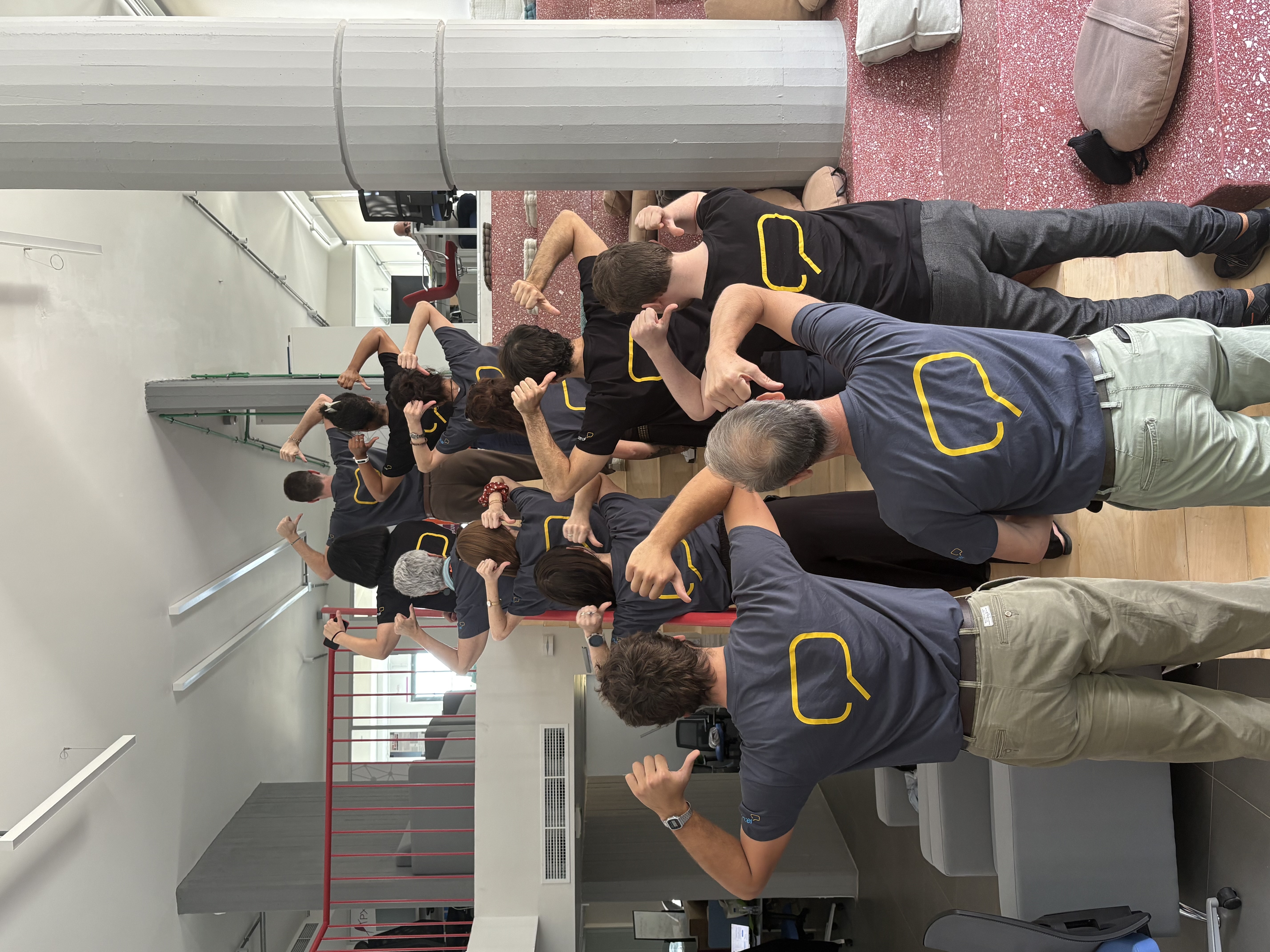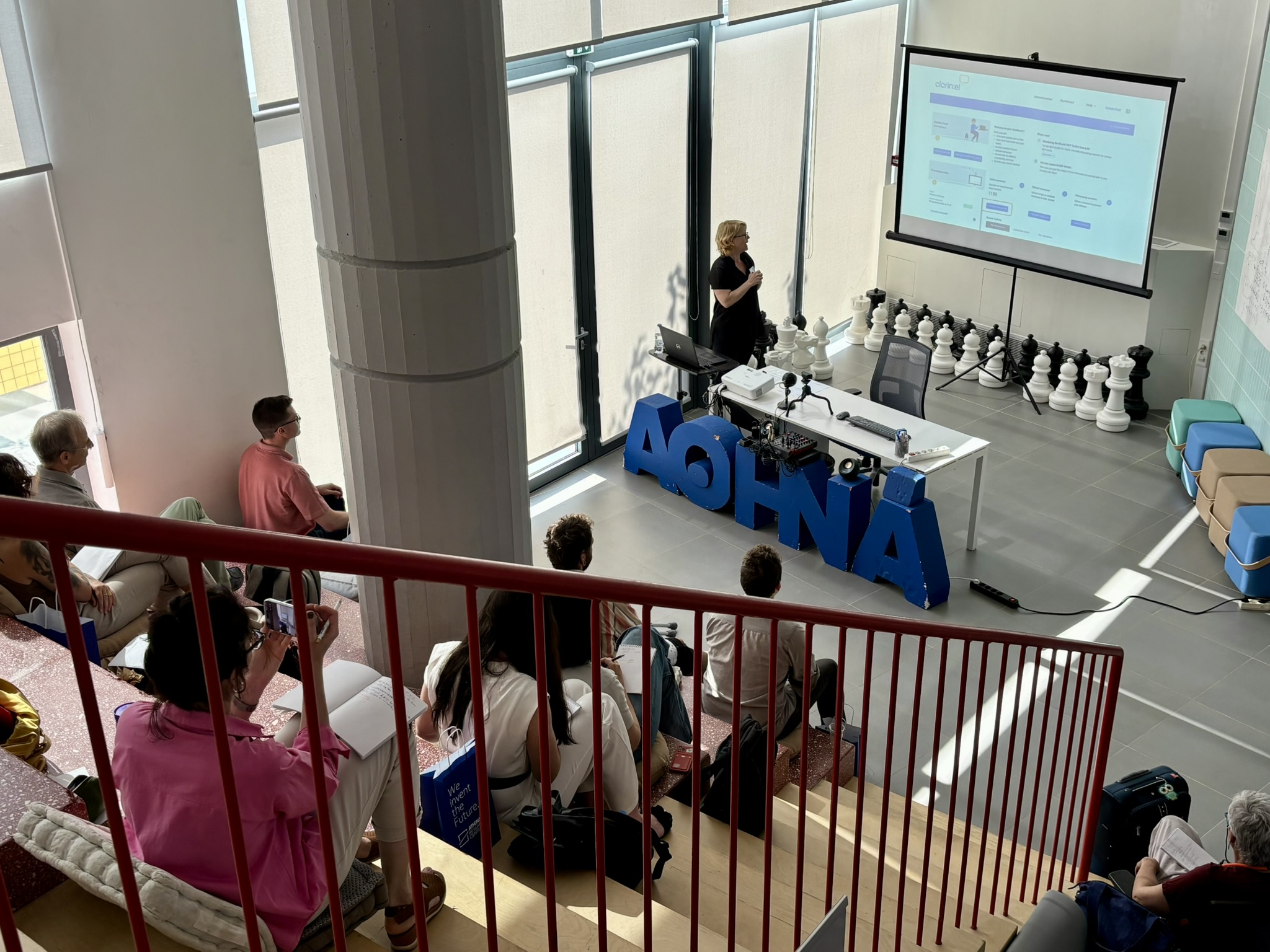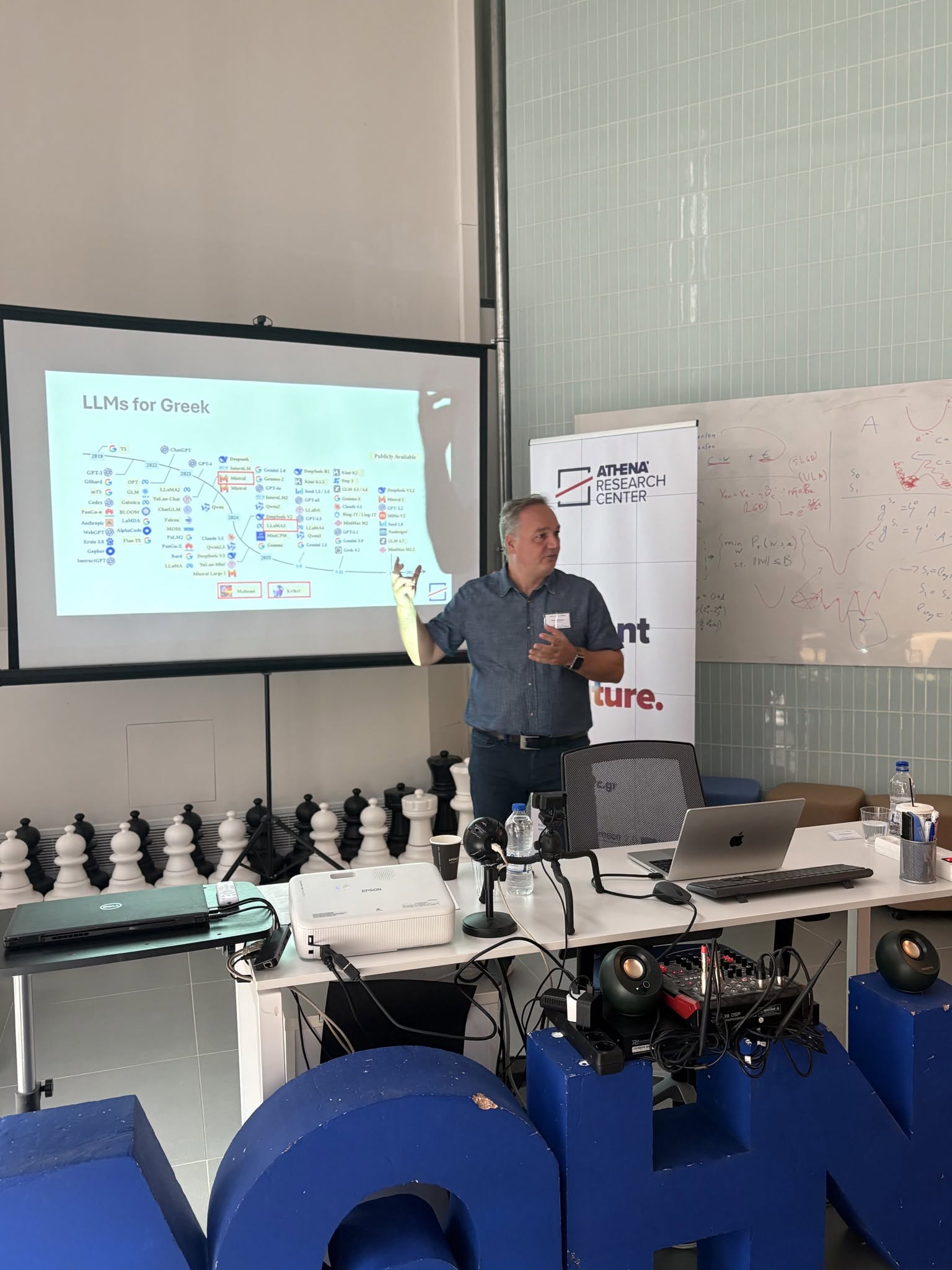
The ATRIUM TNA - CLARIN:EL Summer School – Language Technology and Artificial Intelligence for Digital Humanities was successfully completed in Athens, from 21 to 25 September 2026.
The Summer School aimed to introduce participants to digital methods for the Humanities and highlight how Language Technologies and Artificial Intelligence can support the processing, analysis and use of digital language data. The programme combined lectures by experts with hands-on workshops, giving participants the opportunity to explore current methodological approaches and tools and apply them in practice.
The Summer School brought together 13 participants from 10 countries: Albania, Brazil, France, Germany, Kosovo, Poland, Portugal, Slovakia, Spain and the United Kingdom. The group included PhD and Master’s students, postdoctoral researchers, research assistants, researchers, and lecturers at undergraduate and postgraduate level.
The programme was supported by 18 lecturers with diverse research and academic backgrounds. Throughout the week, participants were introduced to a wide range of topics. The programme began with language resources, including the creation, annotation and documentation of text corpora, as well as ways in which existing resources can be leveraged in new AI-based approaches. It then focused on Artificial Intelligence and Large Language Models (LLMs), covering their fundamental principles, data preparation, adaptation to low-resource languages, evaluation and translation. An important part of the programme was devoted to the different applications of Language Technology and Artificial Intelligence in the Digital Humanities. Among other topics, participants explored language analysis, the study of low-resource language varieties, the study of Ancient Greek, and the analysis of historical documents. Particular attention was also given to issues related to responsible and trustworthy Artificial Intelligence, including social biases, explainability, governance and data use.
The hands-on sessions gave participants the opportunity to work directly with tools and methods, discuss their questions with the lecturers, and explore how the approaches presented could be applied to their own research. The combination of theoretical knowledge, practical application and discussion was a key element of the Summer School.
The positive experience of the week was also reflected in the final evaluation of the Summer School through a targeted questionnaire. Specifically, participants rated both their overall experience and the organisation of the Summer School as excellent. They also indicated that the knowledge and skills they gained are expected to be useful in their future work or research, while they stated that they would recommend the Summer School to colleagues and other researchers working in the fields of Language Technology, Artificial Intelligence and the Digital Humanities.
For more information about the 2026 Summer School, including the programme and lecturers, please visit the official website of the ATRIUM TNA - CLARIN Summer School 2026.
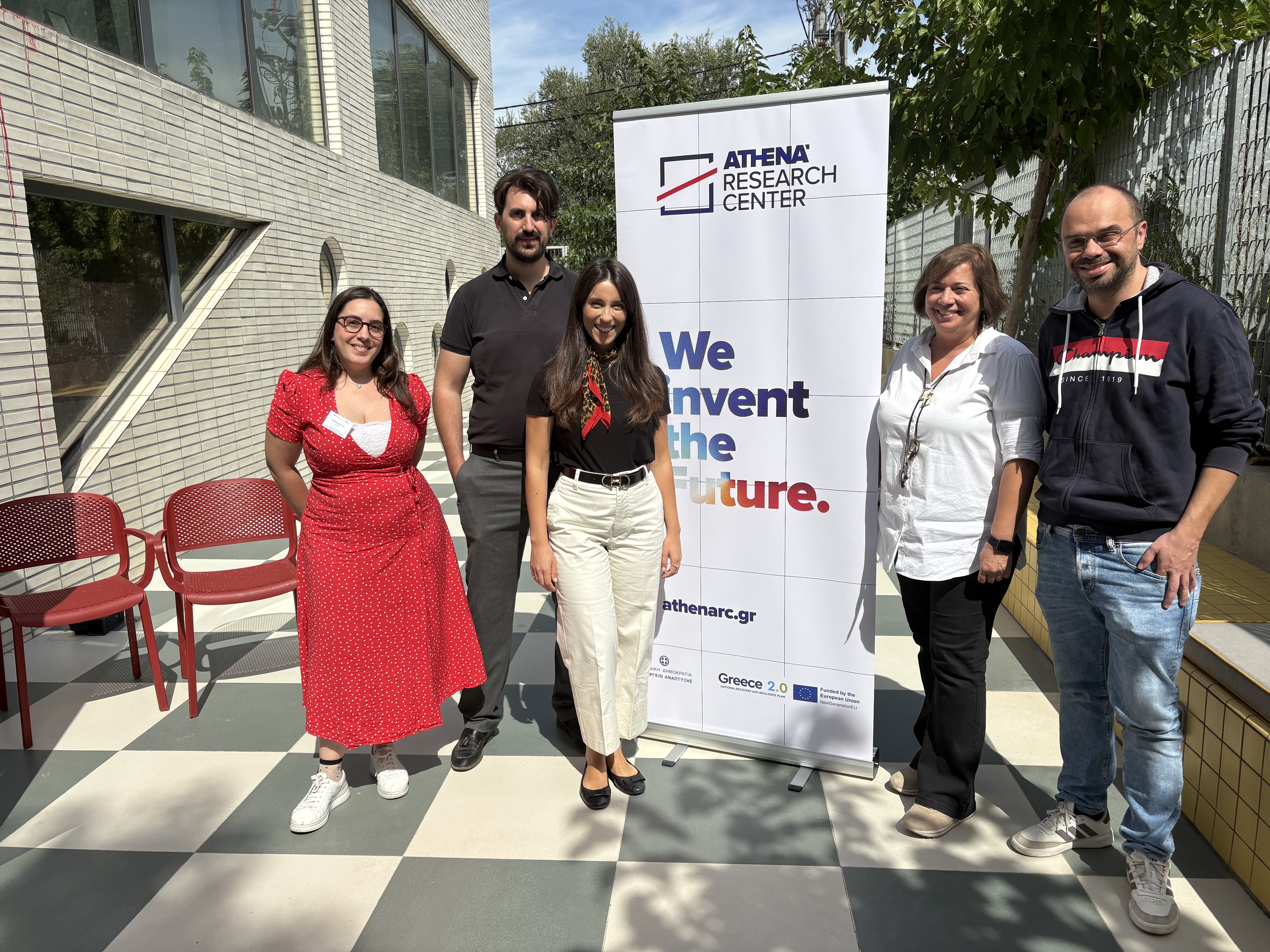
The Summer School was organised by the CLARIN:EL Research Infrastructure and the Institute for Language and Speech Processing of the Athena Research Center, as part of the European ATRIUM TNA programme. The overall design, coordination and implementation of the 2026 Summer School were undertaken by Maria Gavriilidou, ILSP Team Leader for ATRIUM project and Deputy Director of CLARIN:EL, and Iro Tsiouli, Research Associate at ILSP/Athena RC and Scientific Associate of CLARIN:EL.
Following the successful first edition, another ATRIUM TNA - CLARIN:EL Summer School focusing on Language Technologies, Artificial Intelligence and the Digital Humanities is planned for June 2027. Applications are already open.
Visit the media gallery to view more photos from the event.